
Family Play · 5 Nov 2026 · Kids Essentials
Chain Chess Family Fun Board Game: Making Game Time Work for Your Family
Make Chain Chess family time welcoming with practical tips on checking suitability, teaching rules, taking turns and handling disappointment.
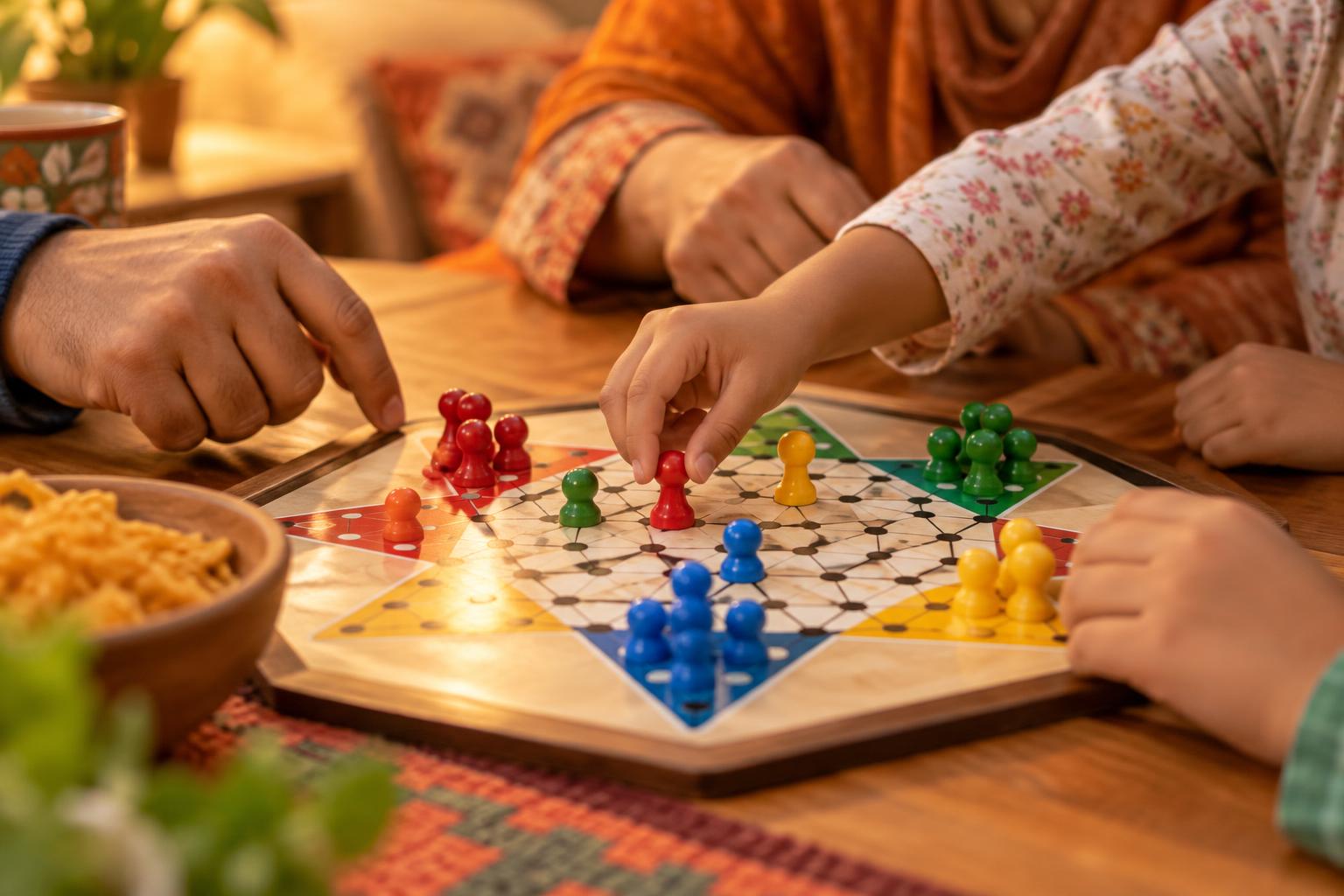
A Shared Game, Not Another Lesson
A rainy afternoon, a quiet Friday or a short break after homework can be a good moment for a family board game. The aim does not have to be winning or teaching something new. Sitting together, listening and enjoying a shared challenge are worthwhile on their own.
If you are considering the Chain Chess Family Fun Board Game, start by checking whether the actual set suits your child and your household. This guide focuses on making play welcoming rather than giving game-specific rules: follow the instructions supplied with your set for setup, legal moves and winning conditions.
Check the Details Before You Buy
Do not assume that “chess” in the name means traditional chess rules. Confirm how this particular game works before introducing it to your child. If the product information does not answer your questions, ask the shop before purchasing.
- Age guidance: What minimum age and safety warnings appear on the packaging?
- Components: Are there small parts or any other features that need special precautions?
- Players: How many people can play according to the instructions?
- Rules: Can you review the instructions and understand the objective?
- Practical fit: Will the board fit comfortably on your table, with room for everyone to reach?
Age alone does not tell you whether a child will enjoy a game. Also consider whether they can follow a short instruction, wait briefly and ask for help. These are readiness clues, not reasons to override the manufacturer's age guidance.
Make the First Session Easy to Join
Prepare before inviting your child
Read the rules yourself and check the contents against any supplied list. Choose a stable, uncluttered surface away from snacks and drinks. For a busy Bangladeshi household, a quieter corner may work better than a table where people are eating or completing homework.
Choose a time when your child is rested rather than hungry or already frustrated. Keep the first session short, with permission to stop before finishing. An unfinished practice game is better than an exhausting introduction.
Show one turn at a time
Explain the aim in one simple sentence, using the supplied rules. Then demonstrate a legal turn slowly. Invite your child to try while you stay available to help. Avoid explaining every possible situation before they have touched the game.
Use Bangla, English or both—whichever makes the instructions clearest. Keep important terms consistent, and ask, “Can you show me what happens next?” rather than turning the explanation into a memory test.
Adjust Your Support, Not the Safety Rules
The following suggestions describe adult support, not confirmed age recommendations for Chain Chess. Only offer the game when the set's age guidance and warnings allow it.
- Ages 1–2: Do not offer an older child's board game simply to include a toddler. Provide a separate, age-appropriate activity nearby with suitable supervision.
- Ages 3–5: If the game is suitable, sit alongside your child and help them follow the sequence of a turn. Focus on participating rather than competing independently.
- Ages 5–7: Offer a brief reminder when needed, then leave thinking time. Ask before giving advice.
- Ages 7–10: Encourage independent choices and invite your child to explain an idea after their turn, without demanding an explanation for every move.
Keep small components away from younger siblings. Supervision does not make an unsuitable game safe for a toddler. Pack everything away securely and check the floor after play.
Keep Competition Friendly
Agree on a few family habits before starting: wait for your turn, speak kindly and ask before touching another player's pieces. Adults should follow these habits too. If you forget a rule, calmly check the instructions instead of arguing from memory.
When disappointment appears, acknowledge it: “You really wanted that turn to go differently.” Offer a pause without forcing your child to finish. Avoid teasing, comparing siblings or praising only the winner.
Notice specific actions instead: “You waited while I finished,” or “You checked the rule when we weren't sure.” If you simplify play for practice, explain that clearly and agree on the changes beforehand. Keep practice separate from a full game using the official rules.
Let Learning Stay Natural
Shared board-game time can offer opportunities to practise listening, turn-taking and considering choices. It does not need to become a worksheet, and no single toy guarantees developmental progress. One gentle question—“What would you try next time?”—is enough.
If your child prefers a different kind of challenge, explore problem-solving activities or consider working together on a picture from the wooden puzzles collection. Check each item's suitability separately.
End by putting the game away together and asking whether your child would like to play again another day. A successful family session is one where everyone feels welcome—not necessarily one where everyone finishes.